Physical Address
304 North Cardinal St.
Dorchester Center, MA 02124
Physical Address
304 North Cardinal St.
Dorchester Center, MA 02124

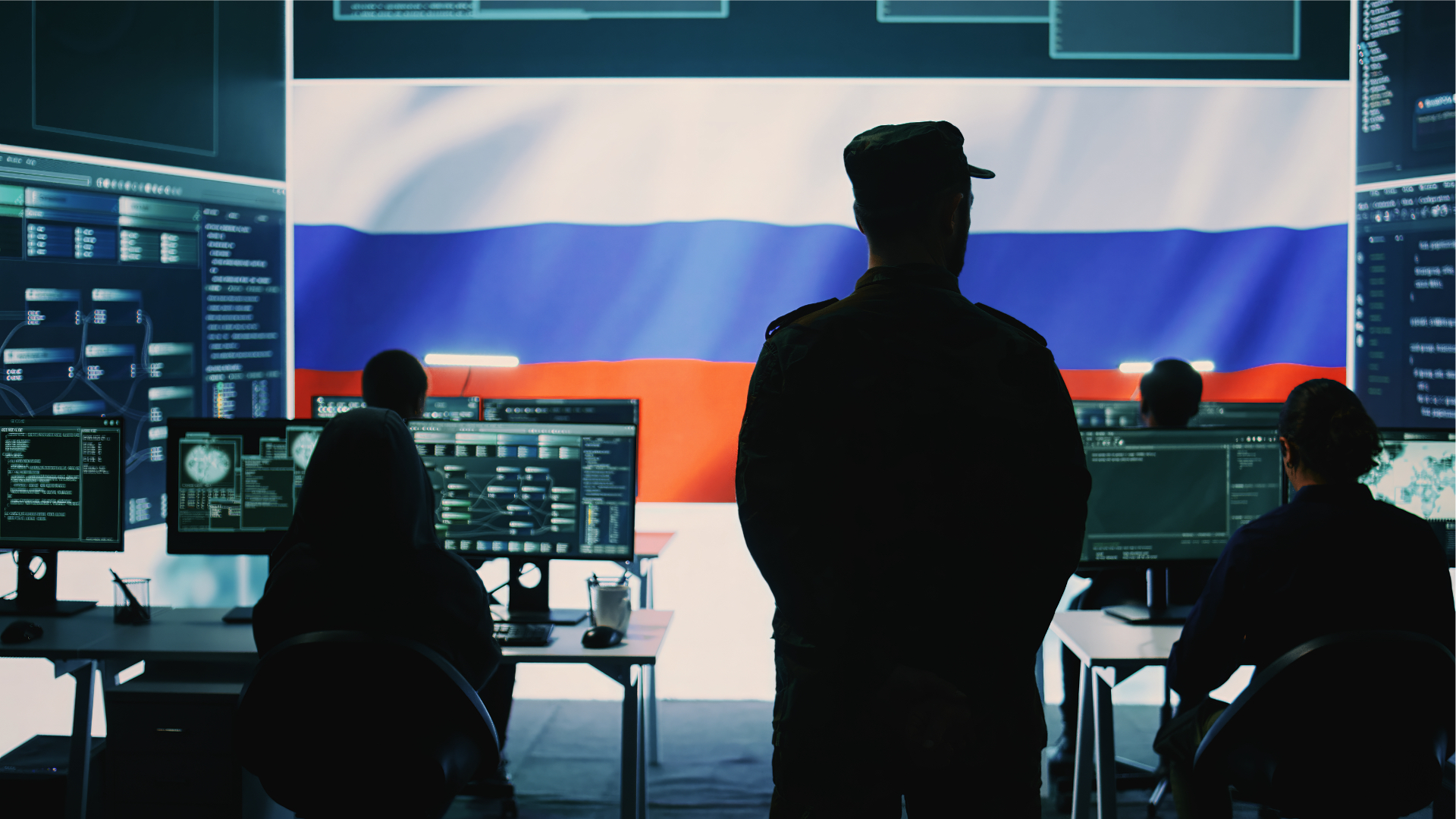
The night of 9-10 September 2025 will go down in history as the moment when the war across our eastern border ceased to be a mere media report and became a tangible threat. Russian drones over Poland and their downing by the Polish armed forces is an unprecedented event.
However, anyone who views this incident solely in military terms is making a strategic mistake. For the violation of airspace was a high-profile prologue to the silent offensive that is about to begin in Polish cyberspace.
To understand what lies ahead, we must first grasp the adversary’s philosophy of operation. For years, Russia has perfected a doctrine of hybrid warfare in which missiles, beats and disinformation form a single, integrated arsenal.
The aim is no longer just to conquer territory, but to paralyse the state from within – breaking its economy, destroying trust in its institutions and dividing its society.
In this strategy, cyber attacks play a key role, with specialised secret service units acting with finesse and brutality.
These operations are headed by two main actors whose code names should be familiar to any security professional:
Significantly, Russian services are blurring the line between state operations and common cybercrime.
Ransomware groups such as Conti or LockBit often receive tacit permission from the Kremlin to operate in exchange for fulfilling 'orders’ hitting Western targets – hospitals, corporations or local governments. This allows them to wreak havoc at the hands of seemingly independent criminals and further complicates the attribution of attacks.
In the context of recent events, Poland is becoming a high-priority target. We can expect to be hit from several directions simultaneously.
Scenario 1: Impact on critical infrastructure (ICS/SCADA)
This is the most dangerous scenario. Industrial control systems on which the functioning of the state depends will be targeted. Attacks could target:
Scenario 2: Administrative paralysis and data theft
Key institutions of the state will become the main target of espionage operations (conducted by the SVR). Massive spear-phishing campaigns should be expected, precisely targeting officials and military officers from the Ministry of Defence, the Ministry of Foreign Affairs or the Ministry of Digitalisation.
The aim will not only be to steal security data and defence plans, but also to take control of accounts that can be used for further escalation or disinformation operations.
Scenario 3: Information warfare and social chaos
This attack is already underway, but it will now enter a new, intense phase. Its aim is to destroy the social fabric. We can expect:
These predictions are not mere speculation. They stem directly from an analysis of Russian war doctrine and the logic of the current situation.
We must abandon the illusion that cyber security is a technical problem locked up in IT departments. Today, it is the foundation of national security, with every administrator, developer and manager becoming a defender on the digital front line.
The time of reactive firefighting is irrevocably over. A paradigm shift towards proactive defence and resilience building is required.
It is worth emphasising at this point: the purpose of this analysis is not to sow panic, but to build strategic awareness and resilience. It is sound knowledge and cool risk assessment, not fear, that provide the basis for effective preparation for scenarios that could materialise at any time.
For the IT industry, this means immediate action is required:
The red sky over eastern Poland was a test of our military procedures. The upcoming digital offensive will be a test of the resilience of our entire state and society. This is not a time for fear, but for the consolidation of forces – for cooperation between the private sector and public administration, for sharing knowledge about threats and for building a digital shield that neither massive DDoS attacks nor precision spying operations can break. History teaches that Poland’s greatest strength in the face of threats has always been its ability to mobilise and adapt. Today, this mobilisation must take place in our networks, server rooms and minds.